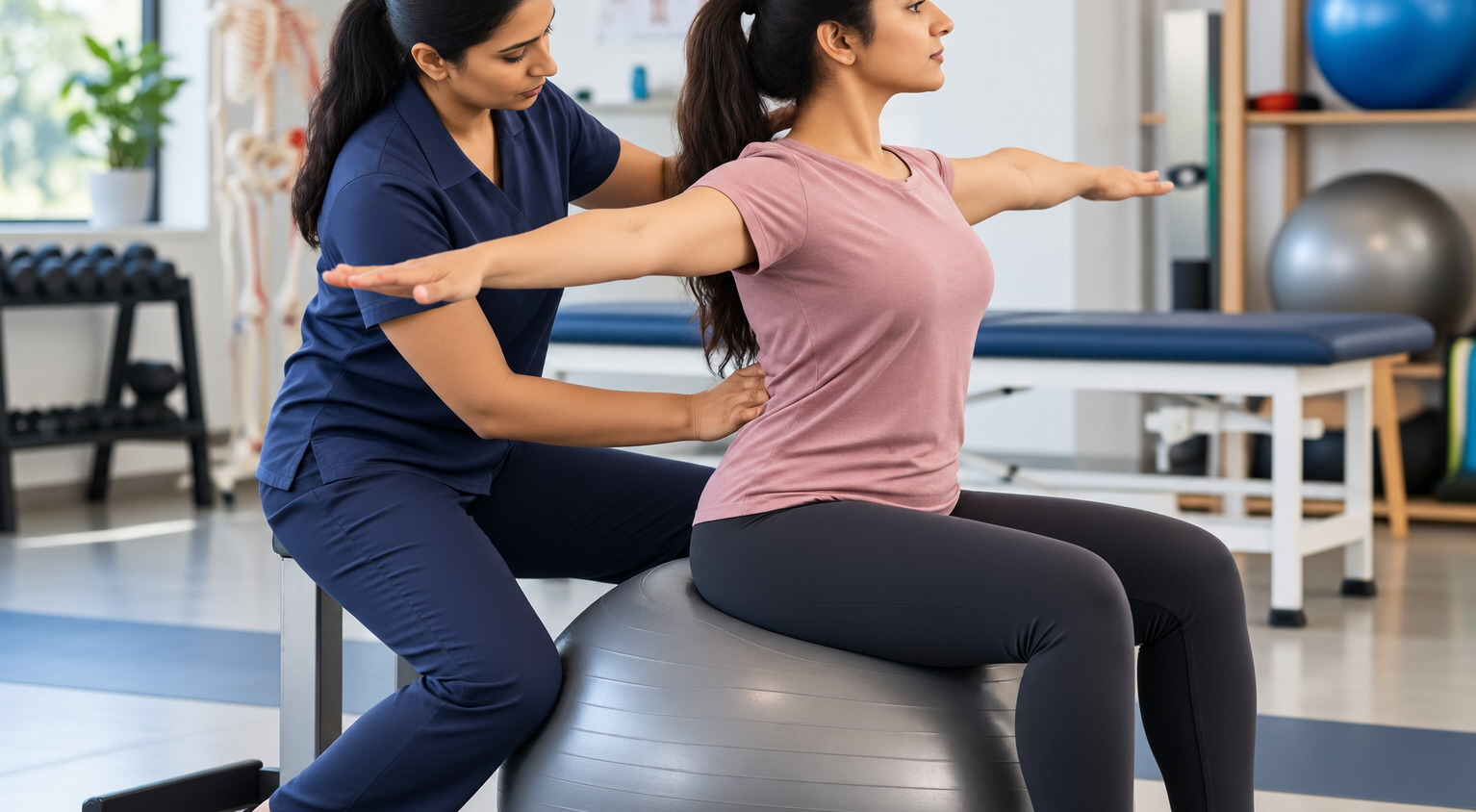
Recurring stiffness and discomfort are not always connected to one isolated movement. Daily routines can expose the body to the same positions and workloads for hours at a time. Posture and Lifestyle Optimization considers how work habits, movement frequency, exercise, recovery, and physical capacity may influence musculoskeletal comfort.
For people in Pune balancing office work, commuting, family responsibilities, fitness routines, and long periods of screen use, these factors can become highly relevant.
Start With the Daily Pattern
Before making major changes, it helps to understand when symptoms appear.
Does neck stiffness build during long computer sessions? Does lower-back discomfort become noticeable after commuting? Does shoulder pain increase after several days without exercise? Does weekend activity create soreness after an otherwise sedentary week?
Patterns like these provide useful information.
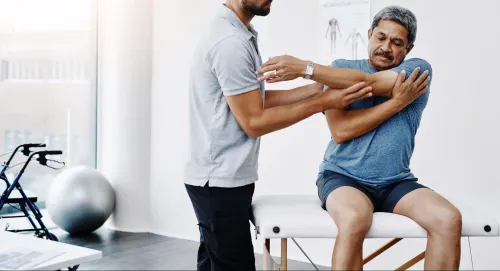
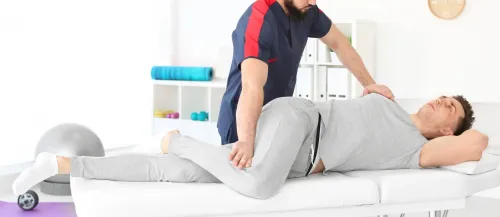
A physiotherapy assessment can connect these observations with mobility, strength, posture, movement habits, and functional demands.
Avoid Chasing a Perfect Posture
One of the most common misconceptions is that every ache comes from sitting incorrectly.
Posture matters, but the body is designed to move. Maintaining any position continuously can become uncomfortable.
A more practical approach involves comfortable positioning combined with regular variation.
This may include alternating sitting and standing when practical, taking brief walking breaks, changing workstation position, and maintaining regular physical activity.
Build Physical Capacity
Ergonomic adjustments can reduce unnecessary strain, but they do not replace physical conditioning.
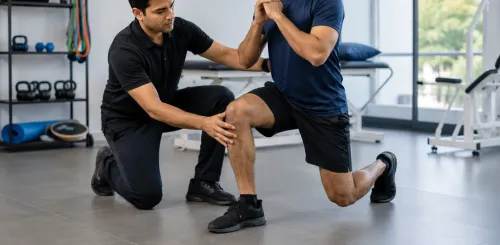
Depending on individual needs, exercises may target trunk strength, upper-back endurance, hip strength, shoulder control, mobility, or general conditioning.
This is where Posture and Lifestyle Optimization becomes broader than workstation advice.
The objective is to help the body become better prepared for the demands placed upon it.
Review Exercise Habits
Lifestyle optimization does not necessarily mean exercising more every day.
Training needs appropriate progression and recovery. Someone who sits throughout the working week and performs an intense workout only on weekends may experience very different physical demands across the week.
A more consistent approach to movement may be easier for the body to tolerate.
Walking, strength training, mobility work, recreational sport, and other activities can all contribute depending on personal goals and physical condition.
Make Changes That Can Actually Last
Complex routines often fail because they are difficult to maintain.
Practical changes might include:
- Short movement breaks during work
- Adjusting screen and chair position
- Walking during selected breaks
- Performing a manageable exercise routine
- Gradually increasing weekly activity
- Varying prolonged working positions
The best strategy is one that fits realistically into everyday life.
Know When Individual Guidance Helps
If discomfort repeatedly limits work, exercise, sleep, or everyday movement, generic posture advice may not be enough.
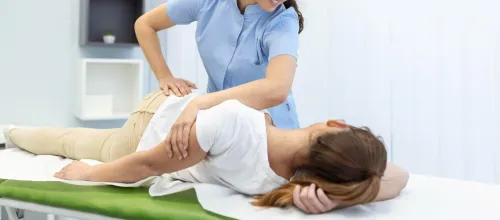
Curador Physiotherapy and Sports Rehabilitation Centre in Pune can assess physical limitations alongside everyday habits and movement demands. This allows recommendations to be connected with the person's actual presentation rather than relying on general ergonomic rules.
Effective Posture and Lifestyle Optimization is ultimately about creating a sustainable relationship between movement and daily routine. Better ergonomics can help, but lasting improvement may also require strength, mobility, regular activity, appropriate recovery, and enough variation to prevent one position from dominating the entire day.
Keywords