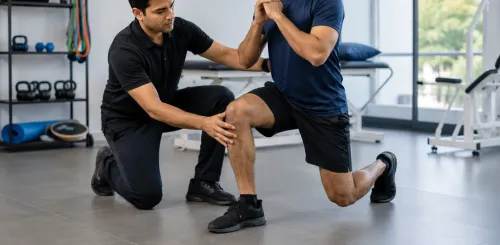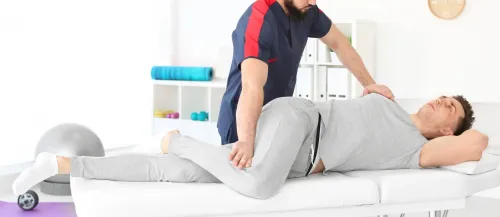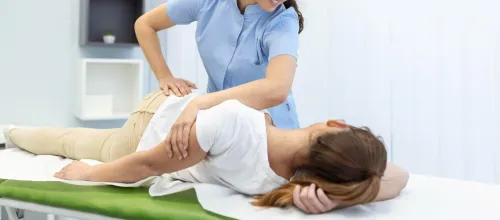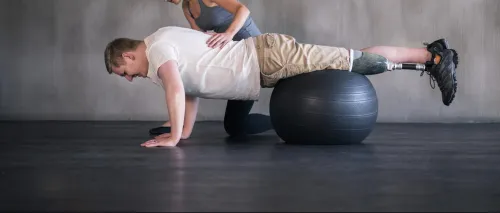
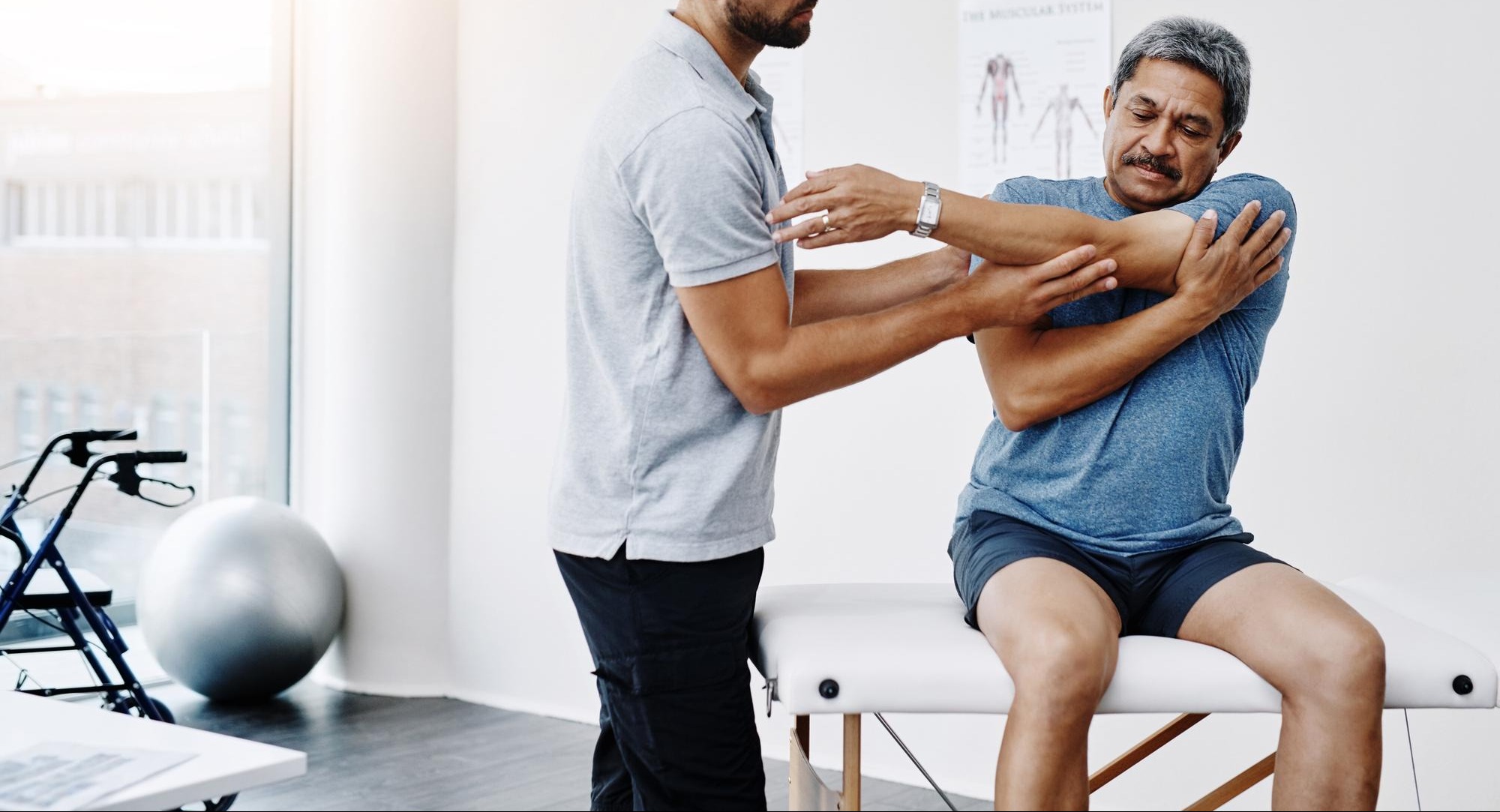
When pain begins interfering with sleep, work, walking, exercise, or household activities, people often focus on finding immediate relief. Relief certainly matters, but recurring symptoms may require a broader approach. Pain Management and Recovery Therapy within physiotherapy can combine symptom management with progressive movement, strengthening, education, and functional rehabilitation.
The appropriate plan depends on what is contributing to the individual's symptoms and how those symptoms affect daily activity.
Signs That a Structured Assessment May Be Useful
Physiotherapy assessment can become particularly relevant when pain repeatedly returns, movement becomes restricted, or normal activities are gradually being avoided.
Other reasons for assessment may include reduced strength after an injury, difficulty returning to exercise, stiffness following inactivity, or continued limitations after an orthopaedic procedure.
Rather than selecting treatment solely according to where it hurts, physiotherapists examine the overall presentation.
Assessment Should Come Before a Treatment Plan
Pain can have many contributing factors.
A physiotherapy assessment may consider symptom history, joint movement, muscle strength, flexibility, balance, functional tasks, movement patterns, and activity levels.
The physiotherapist can then determine which interventions are appropriate.
This matters because two people reporting similar lower-back discomfort may have very different physical limitations and daily demands.
Recovery Should Have Measurable Goals
A useful Pain Management and Recovery Therapy programme should connect treatment with functional improvements.
Examples might include:
- Sitting through a work meeting comfortably
- Walking a chosen distance
- Climbing stairs with greater confidence
- Returning to gym exercises
- Improving shoulder movement
- Resuming recreational sport
- Completing household activities more comfortably
These goals make it easier to assess whether rehabilitation is creating meaningful change.
Look Beyond Passive Treatment
Hands-on techniques and other symptom-management approaches may have a role in physiotherapy, but recovery often requires active rehabilitation as well.
Progressive exercise can help improve physical capacity. Movement retraining may address relevant compensations. Activity guidance can help someone avoid repeatedly moving between complete rest and sudden overactivity.
A programme that changes as the individual improves is generally more useful than repeating identical treatment at every visit.
Home Management Is Part of the Process
The time spent outside physiotherapy sessions matters.
A clear home programme can help reinforce mobility, strengthening, movement, and activity goals. It should be realistic enough to fit the person's routine rather than becoming an overwhelming collection of exercises.
Understanding what to do during mild symptom fluctuations can also help people manage recovery more confidently.
Choosing Care Around Your Actual Needs
People seeking physiotherapy in Pune, Maharashtra, may have very different lifestyles. A desk-based professional, recreational runner, older adult, and competitive athlete will not necessarily benefit from identical rehabilitation plans.
Curador Physiotherapy and Sports Rehabilitation Centre provides a setting where physiotherapy can be planned according to individual symptoms, physical findings, and functional goals.
When considering Pain Management and Recovery Therapy, look for a process that explains what is being assessed, why particular interventions are being used, and how progress will be measured. Effective rehabilitation should have direction, with treatment evolving as movement, strength, confidence, and everyday function improve.
Keywords