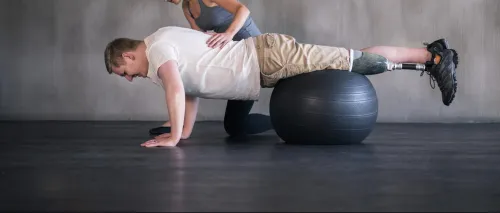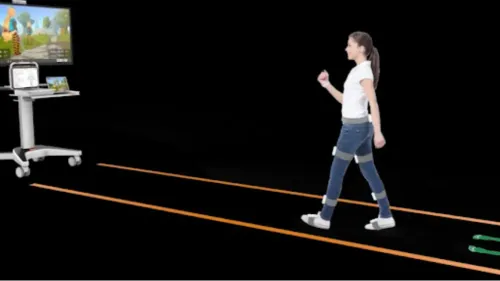
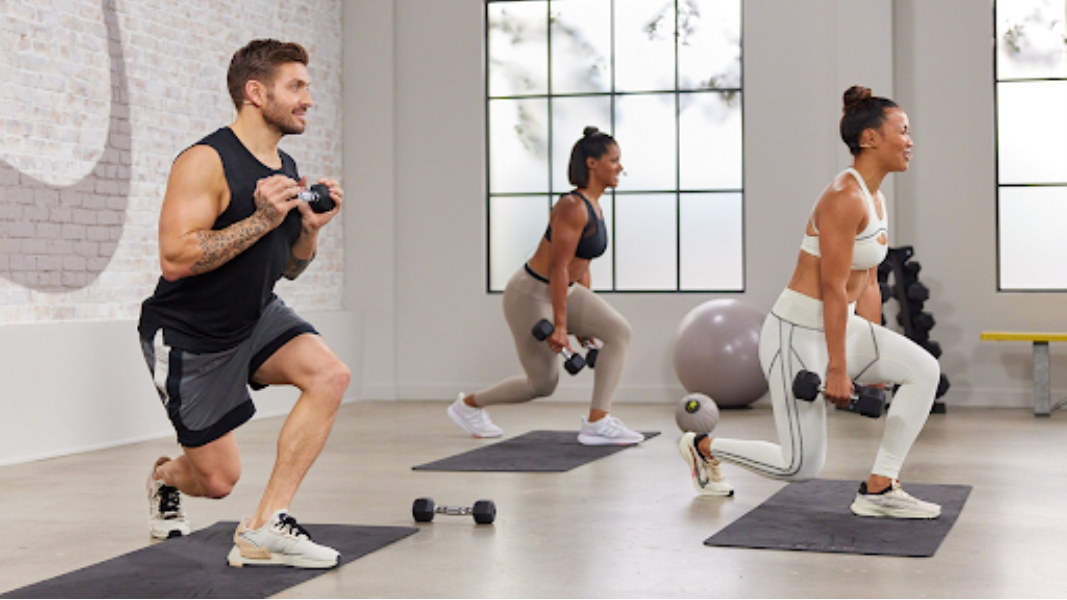
Traditional exercises can build strength, but people ultimately need that strength during real activities. Getting up from the floor, climbing stairs, carrying objects, running, reaching overhead, changing direction, and returning to sport all involve coordinated movement. Functional and Movement Training connects rehabilitation exercises with the practical tasks a person wants to perform.
This approach can become particularly important during the later stages of physiotherapy when symptoms have improved but confidence and physical capacity still need development.
Functional Exercise Has a Specific Purpose
An exercise is functional when it helps prepare someone for a meaningful activity.
That does not mean every rehabilitation exercise needs to imitate daily life exactly. Basic strengthening can provide the foundation required before more complex movements are introduced.
The programme should gradually connect foundational exercises with the person's actual goals.
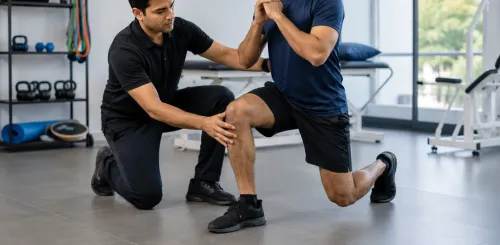
For an older adult, this may mean improving sit-to-stand ability and balance. For an athlete, it may involve running, landing, acceleration, or change-of-direction drills. For someone returning to work, exercises may reflect lifting, carrying, reaching, or prolonged standing demands.
Movement Quality Matters
Completing a task does not always mean it is being performed efficiently.
After pain or injury, people may develop compensations. They may shift weight away from one side, rely excessively on another joint, reduce movement range, or move cautiously even after physical capacity begins to return.
Functional and Movement Training can provide an opportunity to identify and retrain relevant patterns.
Exercises Should Progress Gradually
Functional rehabilitation is not about introducing difficult exercises immediately.
A progression may move through several stages:
- Restore comfortable movement.
- Develop basic strength.
- Improve balance and coordination.
- Introduce more complex movement.
- Add speed, resistance, endurance, or external load.
- Practice activity-specific tasks.
Not everyone needs every stage in the same way. Progress depends on the individual's condition and goals.
Everyday Tasks Can Guide Rehabilitation
A useful rehabilitation goal should be specific enough to influence exercise selection.
“Getting stronger” is broad. “Climbing two flights of stairs comfortably” provides clearer direction.
Likewise, “returning to sport” can be broken into running, jumping, turning, throwing, lifting, or other measurable requirements.
This makes rehabilitation easier to connect with meaningful progress.
Movement Training Can Support Confidence
Pain can change the way people think about movement. Even after symptoms improve, they may hesitate to bend, load a joint, run, or perform a previously painful activity.
Gradual exposure to appropriate movements can help rebuild familiarity and confidence.
The process should be progressive rather than forcing difficult tasks before the body is prepared.
Moving From Rehabilitation Into Real Activity
Pune offers a wide range of active lifestyles, from gym training and running groups to recreational sports and physically demanding work. Rehabilitation should account for these individual demands.
At Curador Physiotherapy and Sports Rehabilitation Centre, functional progression can be incorporated according to the person's assessment and recovery goals.
Effective Functional and Movement Training gives rehabilitation a practical destination. Instead of ending when isolated exercises become easier, the programme can progress until strength, mobility, coordination, and movement control are better connected to the activities that matter in everyday life.
Keywords