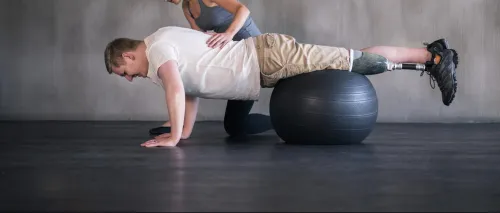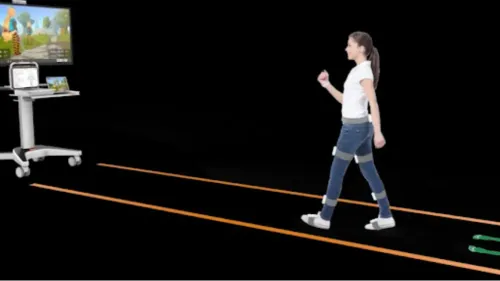

Recurring pain can be frustrating because symptoms may settle temporarily and then return during work, exercise, travel, or everyday activity. When discomfort repeatedly affects muscles, joints, tendons, or movement, musculoskeletal physiotherapy can help identify the physical factors that may be contributing to the problem.
The focus is not simply on locating pain. Assessment looks at how symptoms behave and how the body performs during relevant movements.
Why Symptoms May Keep Returning
Persistent or recurring discomfort can have several contributing factors.
A person may have recovered enough to resume daily activities but not regained full strength. Another may have restricted mobility that changes how neighbouring joints move. Sudden increases in exercise, repetitive occupational activity, or prolonged static positions can also influence symptoms.
This means repeatedly treating only the painful area may overlook useful information.
Signs That Need Closer Assessment
Physiotherapy assessment may be particularly useful when discomfort:
- Reappears during the same activities
- Restricts normal movement
- Reduces confidence with exercise
- Develops after increasing training load
- Interferes with work tasks
- Causes compensatory movement
- Persists despite modifying activity
The aim is to understand the pattern rather than assume every episode has the same cause.
What a Musculoskeletal Assessment Looks At
A physiotherapist may examine mobility, muscle strength, flexibility, coordination, functional movement, and activity tolerance.
If knee pain develops while climbing stairs, for example, the assessment may include the knee while also considering hip strength, ankle movement, balance, and stair mechanics.
Similarly, shoulder discomfort during overhead activity may require assessment of shoulder mobility, muscular control, posture, and the specific task that triggers symptoms.
This broader approach is a central feature of musculoskeletal physiotherapy.
Treatment Should Match the Findings
There is no universal exercise programme for joint and muscle pain.
Some people need progressive strengthening. Others may initially require mobility work, symptom-management strategies, manual techniques, movement modification, or a combination of approaches.
A useful programme often evolves as symptoms and physical capacity change.
Early exercises may be relatively simple. Later rehabilitation can become more demanding and closely resemble work, exercise, or recreational activities.
Avoiding the Complete Rest Cycle
When pain repeatedly returns, some people respond by stopping activity completely until symptoms disappear. They then resume their previous routine at the same intensity.
This cycle can leave the body inadequately prepared for the workload being reintroduced.
Where clinically appropriate, rehabilitation can help maintain suitable activity while gradually increasing tolerance. The goal is to find a manageable starting point and build from there.
Developing a Sustainable Recovery Plan
People living and working in Pune may deal with long commutes, desk-based routines, recreational sports, gym training, and physically demanding occupations. These lifestyle factors can shape rehabilitation needs.
Curador Physiotherapy and Sports Rehabilitation Centre provides physiotherapy within this local context, where assessment can consider both symptoms and the activities a person needs to perform.
Effective musculoskeletal physiotherapy is ultimately about understanding why movement has become difficult and determining what can be changed. By connecting assessment with progressive exercise, movement training, and practical activity guidance, rehabilitation can focus on restoring useful physical capacity rather than repeatedly responding only when discomfort becomes noticeable.
Keywords