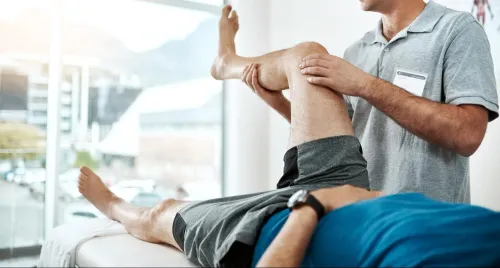
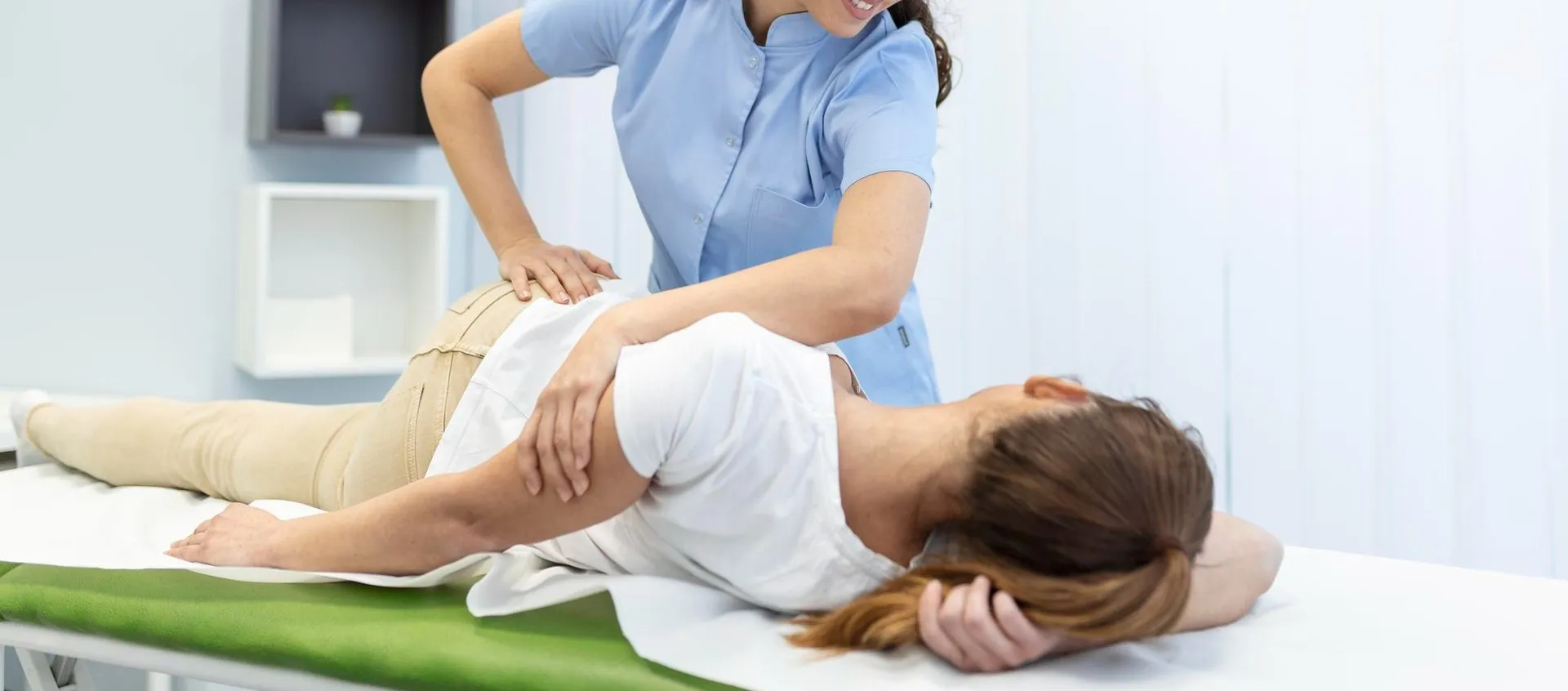
When pain or stiffness makes movement uncomfortable, people often look for techniques that can help them move more freely. Manual Therapy is one approach used within physiotherapy and may include hands-on techniques applied to joints, muscles, and surrounding soft tissues.
Its role is best understood as part of a broader rehabilitation programme rather than as an isolated solution.
What Manual Techniques Aim to Address
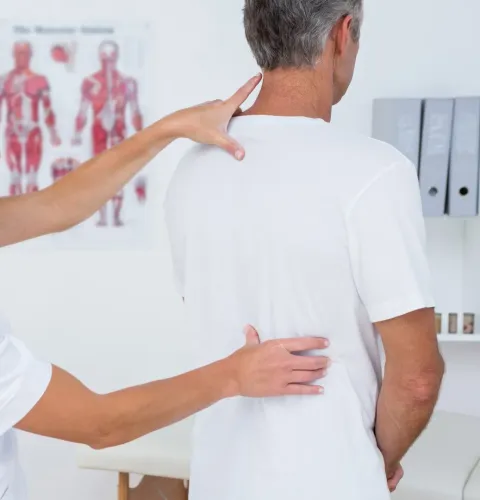
A physiotherapist may consider hands-on treatment when an assessment identifies restricted movement, muscular tightness, stiffness, or symptoms that affect functional activity.
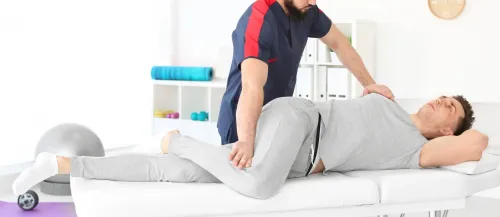
Depending on the clinical situation, treatment may involve joint mobilization, soft-tissue techniques, assisted movement, and other hands-on methods.
The selection of any technique should relate to the individual assessment rather than being automatically applied to everyone with the same symptom.
Temporary Relief Can Create an Exercise Opportunity
One useful way to understand Manual Therapy is to consider what happens after treatment.
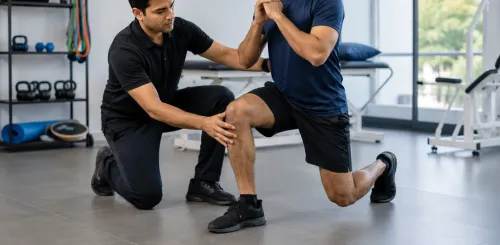
If a technique helps a person move more comfortably, that improved movement can create an opportunity to perform mobility exercises, strengthening, or functional training more effectively.
For example, someone experiencing shoulder stiffness may find certain movements easier following appropriate hands-on treatment. The rehabilitation programme can then use that improved range to work on active control and strength.
This connection between symptom management and exercise is important.
Passive Treatment Alone Has Limitations
People sometimes expect physiotherapy to consist mainly of massage or hands-on techniques. Yet many musculoskeletal problems also involve reduced strength, limited endurance, altered movement habits, or insufficient tolerance for everyday activity.
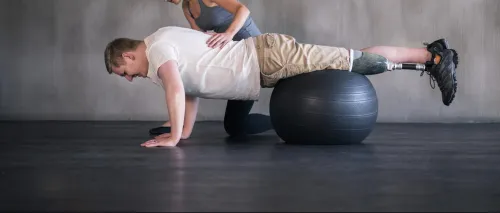
These factors generally require active participation.
A comprehensive programme may therefore combine:
- Hands-on treatment when appropriate
- Mobility exercises
- Progressive strengthening
- Movement retraining
- Functional exercises
- Activity guidance
- Home exercise planning
The balance between these elements varies according to the person and stage of recovery.
The Assessment Guides Treatment
Two people with similar pain locations may need different rehabilitation approaches.
One person with neck discomfort may primarily have limited movement and muscle sensitivity. Another may have symptoms strongly associated with prolonged desk work and reduced physical conditioning. Their treatment plans should reflect those differences.
This is why clinical assessment matters more than simply selecting a technique based on the location of pain.
Daily Habits Still Influence Progress
Treatment sessions occupy only a small portion of the week. Workstation habits, sleep routines, activity levels, exercise choices, commuting, and repeated movements can continue to influence symptoms.
This is particularly relevant for working professionals in Pune, where long desk hours and commuting may contribute to prolonged static positions.
Physiotherapy can include practical strategies for changing positions, introducing movement breaks, modifying aggravating activities, and gradually increasing physical capacity.
Combining Hands-On Care With Active Recovery
At Curador Physiotherapy and Sports Rehabilitation Centre in Pune, Maharashtra, hands-on techniques can be considered within a wider physiotherapy and rehabilitation plan based on individual findings.
The most useful question is not simply whether Manual Therapy is effective. It is whether a particular technique has a clear purpose within the person's overall recovery programme.
When appropriately selected, hands-on treatment may help manage symptoms and improve short-term movement. Exercise and functional rehabilitation can then build on those changes by developing strength, control, mobility, and tolerance for everyday activity.
Keywords