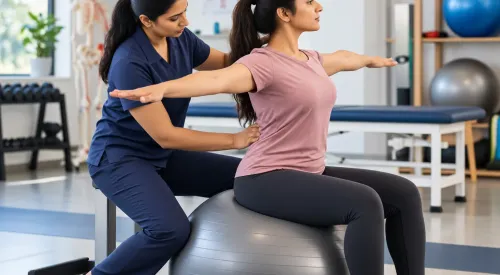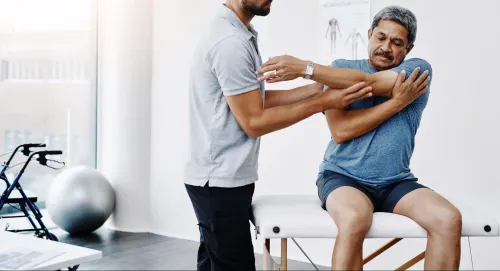
Recovery after an orthopaedic injury or procedure rarely ends when the initial medical treatment is complete. Stiffness, muscle weakness, reduced balance, difficulty walking, and uncertainty about movement can remain. Orthopaedic Rehabilitation helps address these functional limitations through a structured recovery programme.
The right rehabilitation approach should reflect the individual's condition, medical guidance, current physical capacity, and everyday goals.
What Should Orthopaedic Rehabilitation Include?
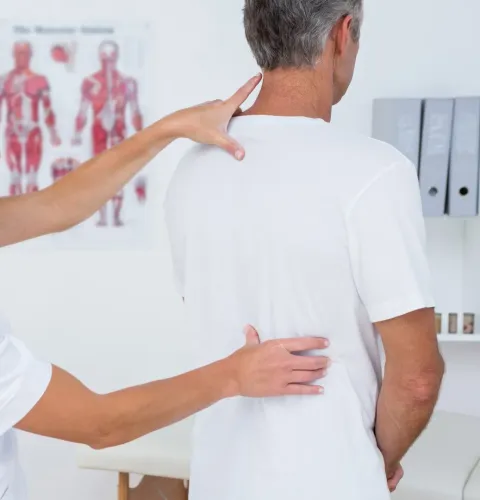
A well-planned programme should begin with an assessment.
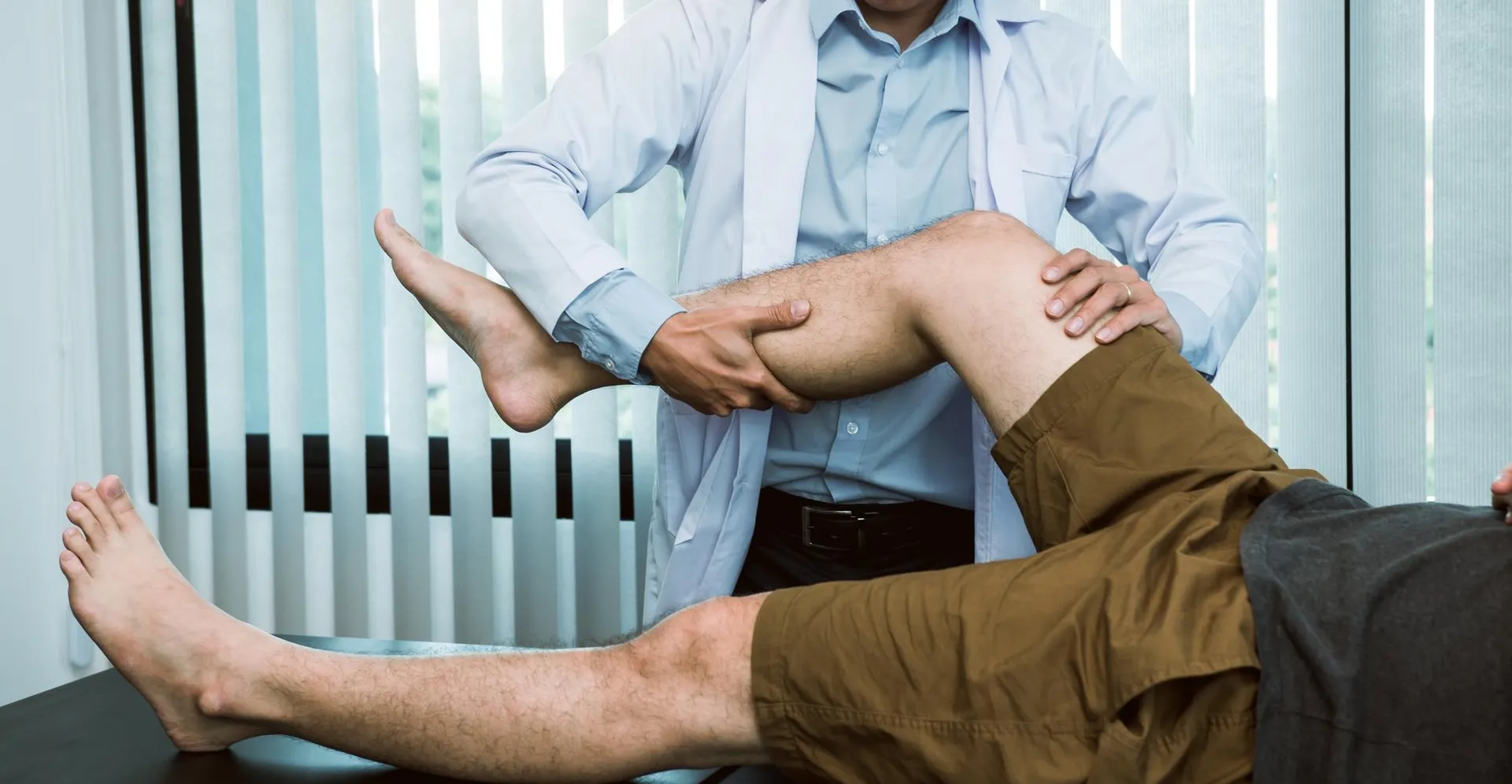
Depending on the condition, this may evaluate movement, swelling, strength, walking pattern, balance, functional ability, and tolerance for everyday activities.
The findings help determine which areas require priority.
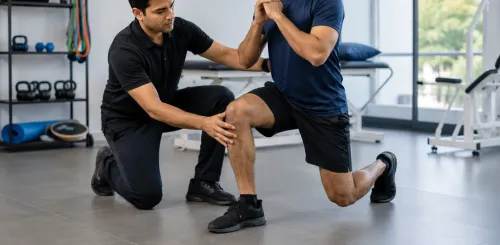
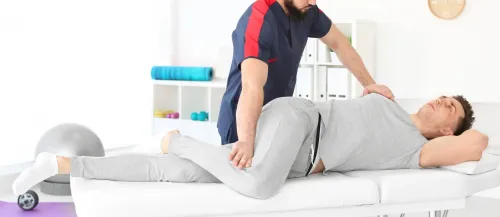
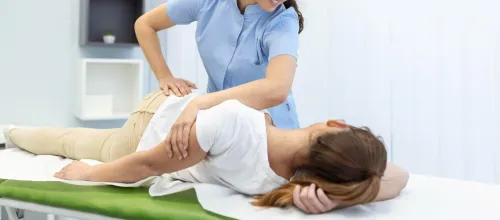
Treatment may then incorporate mobility exercises, strengthening, gait training, balance work, manual therapy where appropriate, and progressive functional exercises.
Look for Goal-Based Rehabilitation
A useful rehabilitation plan should connect treatment with meaningful goals.
For one patient, the immediate goal may be walking independently around the home. Another may need to climb stairs comfortably. A younger active patient may ultimately want to return to gym training or recreational sport.
These differences affect exercise selection and progression.
A rehabilitation programme should therefore change as the patient becomes stronger and more capable.
Consider How Progress Is Monitored
Recovery should not rely entirely on statements such as 'it feels slightly better.'
Functional changes can provide useful indicators.
Depending on the condition, progress might include:
- Increased joint movement
- Improved walking tolerance
- Better balance
- Increased strength
- Greater independence with daily activities
- Improved ability to use stairs
- Reduced difficulty performing work-related tasks
Tracking these changes helps determine whether rehabilitation needs to progress or be modified.
Avoid Programmes That Remain Passive
Hands-on treatment can have a place in rehabilitation, but orthopaedic recovery usually requires active participation.
Muscles weakened through injury, surgery, reduced activity, or immobilisation need appropriate loading to regain capacity.
A programme that remains dependent entirely on passive treatment may not adequately prepare a patient for daily physical demands.
Ask how exercise will progress as recovery develops.
Communication Is Particularly Important After Surgery
Post-operative rehabilitation may involve precautions or staged progression based on the procedure performed.
Physiotherapy should therefore respect the surgeon's recommendations and relevant medical considerations.
Patients should also understand which activities are currently appropriate, which should be limited, and what signs need attention.
This creates clearer expectations during recovery.
Selecting Physiotherapy Support
When considering orthopaedic rehabilitation in Pune, patients can look for a physiotherapy setting that provides individual assessment, structured exercise progression, functional rehabilitation, and clear communication about recovery goals.
Curador Physiotherapy and Sports Rehabilitation Centre works with patients requiring rehabilitation for musculoskeletal limitations and orthopaedic recovery, with programmes shaped around individual functional requirements.
The most suitable rehabilitation programme is not necessarily the one containing the greatest number of treatments.
It is the one that answers practical questions. What movement has been lost? What strength needs rebuilding? What activities remain difficult? What needs to improve before the next stage?
When rehabilitation is organised around those questions, recovery becomes easier to understand and progress becomes more meaningful.
Keywords