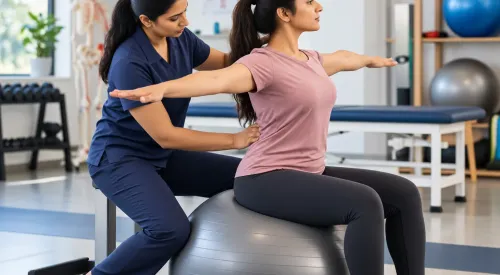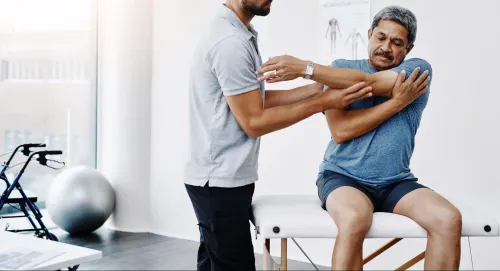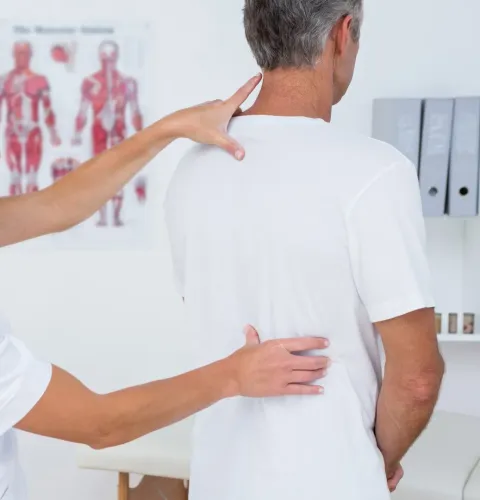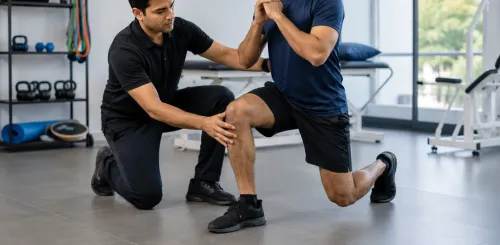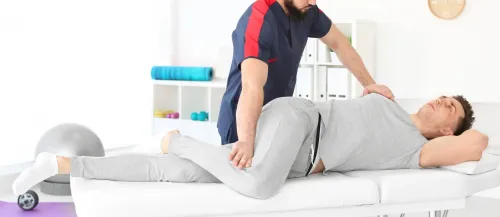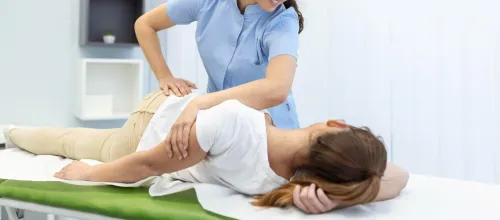
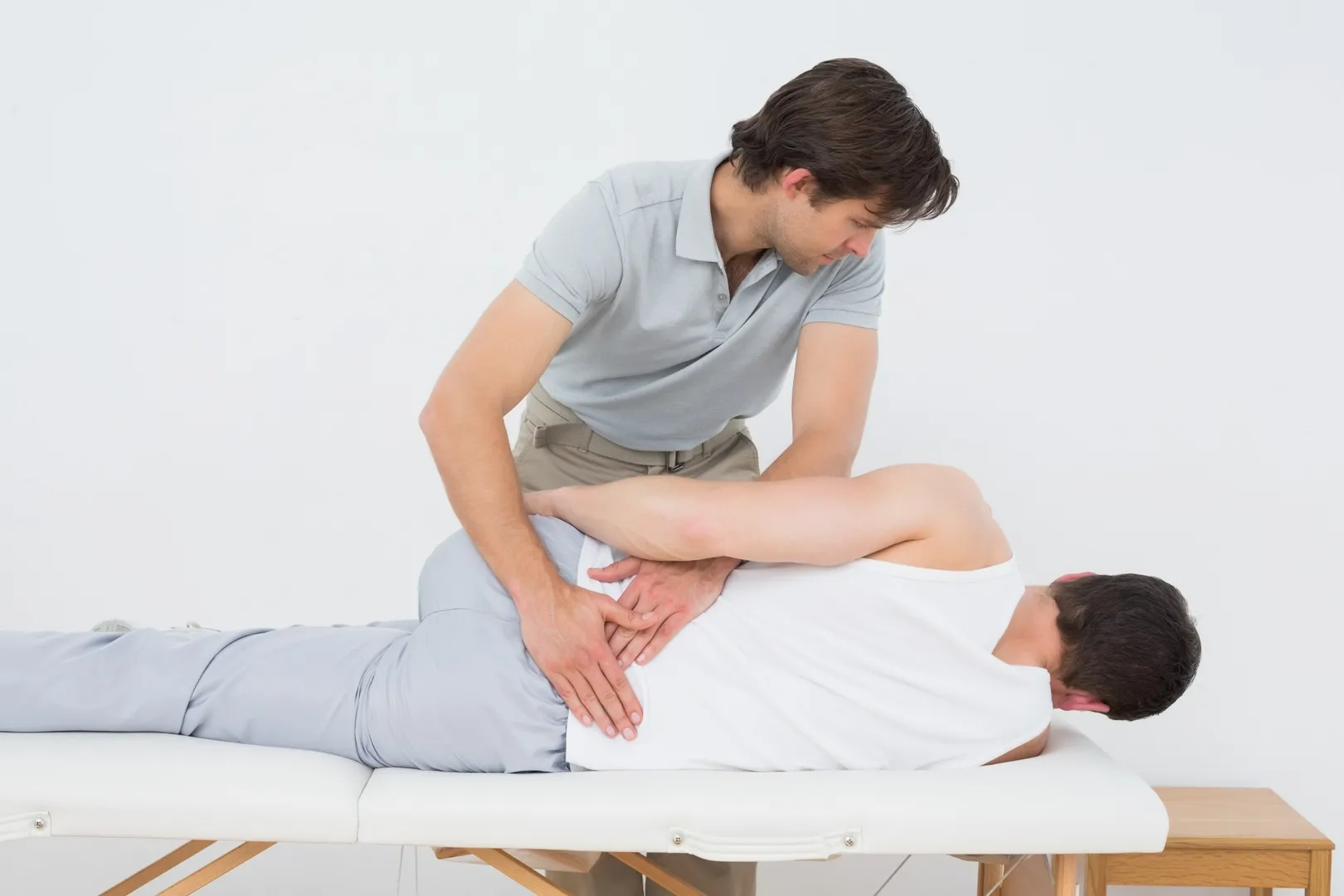
Hands-on treatment is one of the most familiar aspects of physiotherapy. Techniques involving joints and soft tissues are commonly grouped under manual therapy, but their role is sometimes misunderstood.
Manual therapy is generally most useful when it forms part of a broader rehabilitation programme rather than being treated as a complete solution by itself.
Understanding this distinction can help patients develop realistic expectations about physiotherapy.
What Is Manual Therapy?
Manual therapy refers to hands-on techniques used by physiotherapists as part of clinical management.
Depending on the condition and assessment findings, these techniques may involve joint mobilisation, soft-tissue techniques, assisted movement, and other clinically appropriate approaches.
The purpose can vary.
For some patients, treatment may aim to improve movement temporarily. For others, it may help reduce stiffness or make exercise more comfortable.
The technique selected should be connected to an identified physical limitation rather than applied routinely to every patient.
When Can Hands-On Treatment Be Useful?
Consider someone who has difficulty rotating the neck comfortably.
If stiffness limits movement, an appropriate manual technique may help create an opportunity for improved motion. However, maintaining that improvement may also require exercises addressing mobility, strength, posture, or movement habits.
Similarly, someone with shoulder stiffness may benefit from hands-on treatment while also completing exercises designed to restore active control.
This is why manual treatment and exercise frequently complement one another.
Why Exercise Still Matters
Passive treatment happens to the patient. Exercise requires the patient to actively develop physical capacity.
That difference matters.
Strength, endurance, coordination, balance, and movement control generally need active training. These qualities cannot be developed through hands-on techniques alone.
A comprehensive physiotherapy programme may therefore combine:
- Manual techniques when clinically appropriate
- Mobility exercises
- Strengthening
- Postural training
- Functional movement practice
- Education about activity modification
- Gradual return to usual activities
The balance between these components depends on the patient's condition and goals.
Treatment Should Change as Recovery Progresses
The rehabilitation programme used during the first few sessions should not necessarily remain unchanged throughout recovery.
As symptoms improve and physical capacity increases, active rehabilitation often becomes progressively more important.
Someone initially limited by back stiffness may eventually need trunk conditioning and lifting practice. A person recovering from shoulder problems may progress towards resistance exercises and movements related to work, sport, or daily tasks.
This changing emphasis helps treatment remain connected to functional improvement.
Why Individual Assessment Is Important
People experiencing similar symptoms do not always have the same movement limitations.
One office professional with neck discomfort may have restricted movement and poor endurance around the upper back. Another may have adequate mobility but struggle with prolonged static posture.
Their rehabilitation needs may therefore differ.
For people seeking physiotherapy in Pune, Curador Physiotherapy and Sports Rehabilitation Centre can assess the individual's movement, functional limitations, and rehabilitation requirements before determining whether manual techniques should form part of the programme.
Manual therapy can be valuable, but its usefulness depends on context.
The more useful question is not simply whether hands-on treatment is being provided. It is whether each intervention contributes to a broader plan for restoring comfortable, confident, and functional movement.
When manual therapy, exercise, education, and progressive rehabilitation are appropriately combined, treatment becomes focused on both current symptoms and the physical abilities required for everyday life.
Keywords