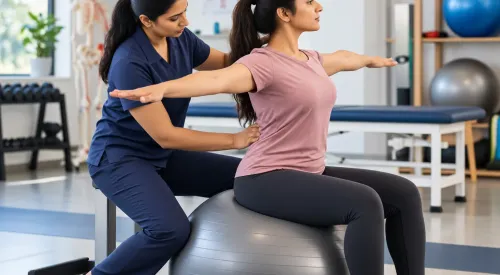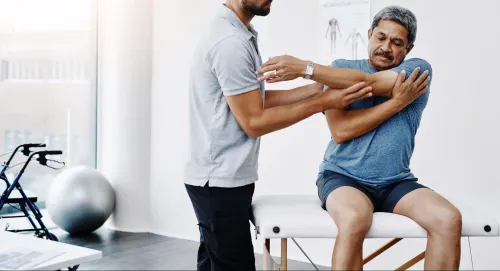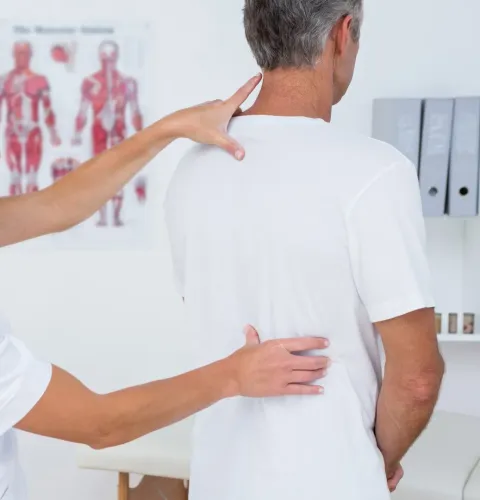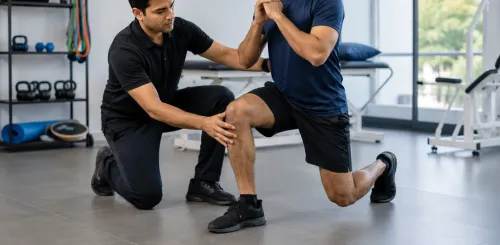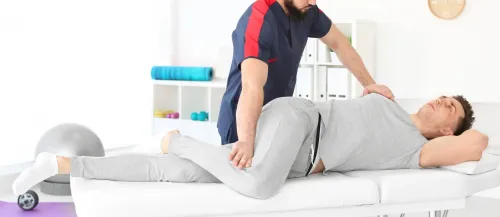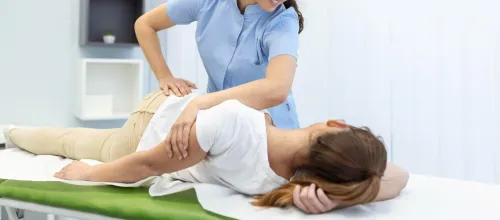
Pain, stiffness, weakness, and reduced movement can make ordinary activities surprisingly difficult. Walking up stairs, getting out of a chair, carrying groceries, returning to work, or exercising may become challenging after an injury, surgery, fracture, or prolonged period of inactivity. Orthopaedic Rehabilitation focuses on rebuilding the physical abilities needed for safe and confident movement.
For people in Pune, Maharashtra, rehabilitation can be especially relevant after joint injuries, ligament problems, fractures, spine conditions, orthopaedic procedures, and recurring musculoskeletal pain. Rather than concentrating only on the painful area, physiotherapy typically considers strength, mobility, balance, movement quality, and the demands of daily life.
What Happens During Rehabilitation
An effective rehabilitation programme begins with understanding what the person can currently do and where movement is restricted. A physiotherapist may assess joint mobility, muscle strength, flexibility, balance, walking pattern, functional movements, and pain behaviour.
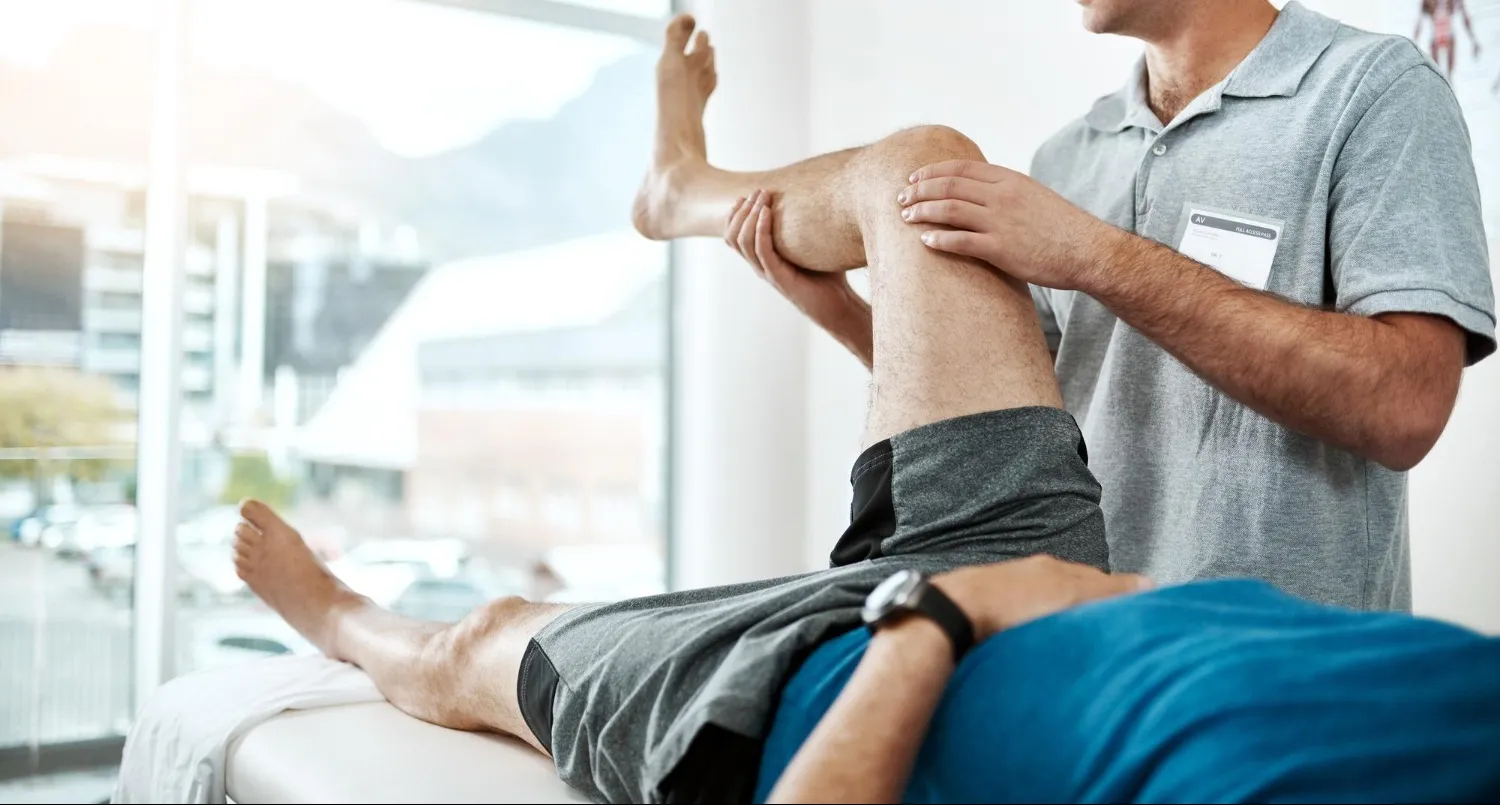
The findings help determine which areas need attention. For example, knee discomfort after an injury may be accompanied by reduced quadriceps strength, poor hip control, limited ankle mobility, or an altered walking pattern.
Treatment can then be structured around individual limitations rather than following the same exercise routine for everyone.
Common rehabilitation components include:
- Mobility exercises
- Progressive strengthening
- Balance and coordination exercises
- Walking and movement retraining
- Functional exercise
- Flexibility work
- Education about activity modification
- Gradual return to work, sport, and everyday tasks
Recovery Is More Than Reducing Pain
Pain relief is important, but it is not always the only measure of recovery. Someone may experience less discomfort while still having weakness or poor movement control.
This is why rehabilitation often progresses toward practical goals.
A person recovering from knee surgery may eventually need to climb stairs comfortably. An office professional with a shoulder problem may need enough mobility to work without repeatedly aggravating symptoms. An active adult may want to return to running, cycling, gym training, or recreational sport.
The rehabilitation process should gradually prepare the body for these real-world demands.
Why Progressive Exercise Matters
Doing too much too early can aggravate symptoms, while avoiding movement for too long may contribute to weakness and reduced confidence. Rehabilitation therefore involves adjusting exercise difficulty according to recovery.
Progression might involve increasing repetitions, resistance, movement range, balance demands, or task complexity.
This measured approach allows tissues and muscles to adapt while helping the individual understand what level of activity is currently manageable.
Movement Quality Can Influence Long-Term Function
Compensation often develops after pain or injury. A person may shift weight away from one leg, shorten their stride, avoid bending a joint, or rely excessively on another body region.
These adaptations may initially feel protective, but they can sometimes persist after the original problem improves.
Physiotherapy can identify these movement changes and incorporate exercises that encourage better control, symmetry, and confidence.
Building Recovery Around Individual Goals
There is no single rehabilitation timeline that suits every person. Age, injury severity, surgery type, previous activity level, occupation, sport, general conditioning, and rehabilitation consistency can all influence progress.
At Curador Physiotherapy and Sports Rehabilitation Centre in Pune, rehabilitation planning can be structured around individual movement limitations and functional goals. This may be particularly useful for people seeking a systematic path from pain and restricted movement toward greater independence.
Good Orthopaedic Rehabilitation ultimately aims to help people do more than feel temporarily better. It works toward restoring the strength, mobility, control, and physical capacity needed for everyday life.
Keywords