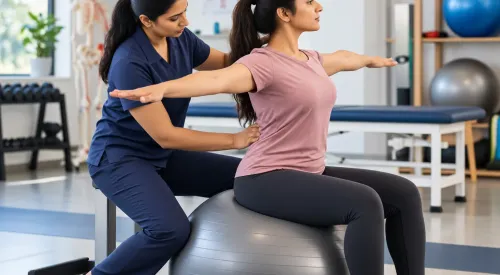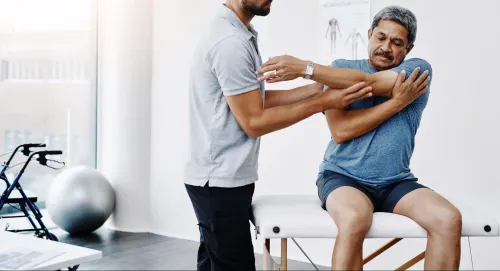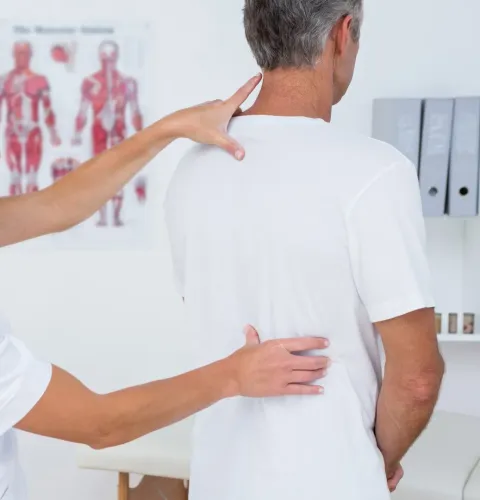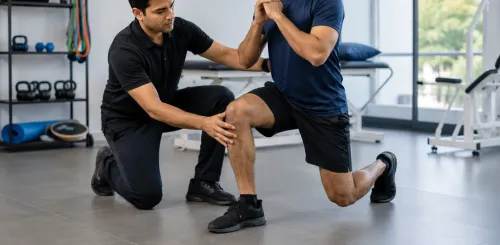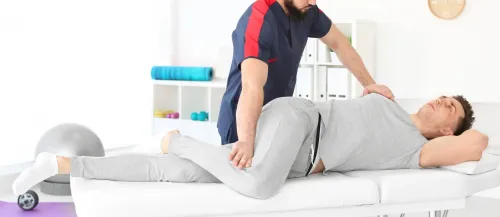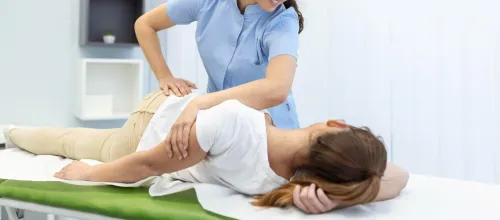
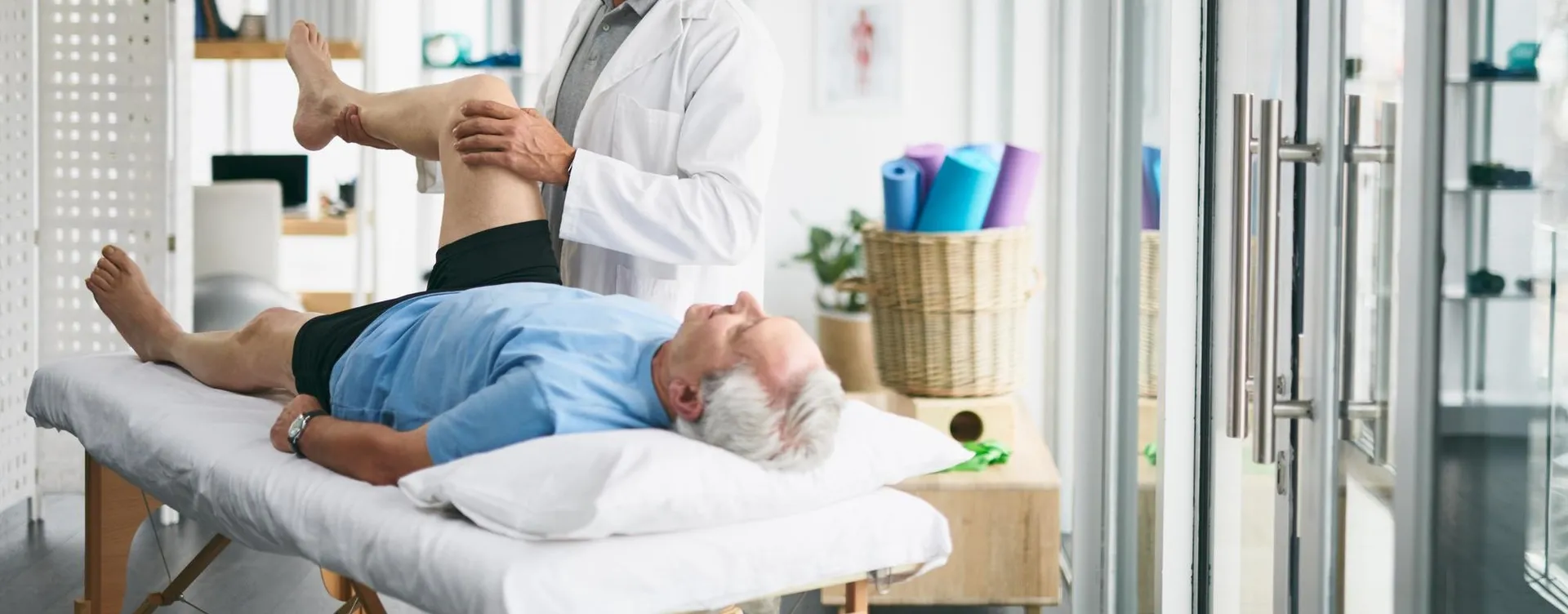
An orthopaedic problem can affect simple activities that were previously taken for granted. Walking, using stairs, getting out of a chair, driving, exercising, and working may all become more difficult after an injury, period of immobilisation, or surgical procedure.
Orthopedic Physiotherapy focuses on restoring these physical abilities through assessment and progressive rehabilitation.
Choosing physiotherapy becomes particularly important when symptoms have improved but normal function has not fully returned.
Signs That Rehabilitation May Still Be Needed
Pain is only one indicator of recovery.
Other signs that functional rehabilitation may require attention include:
- Persistent joint stiffness
- Noticeable weakness on one side
- Difficulty using stairs
- Reduced walking tolerance
- Problems with balance
- Hesitation during certain movements
- Difficulty returning to exercise
- Reduced range of movement
- Altered walking patterns
These limitations can remain even when the original injury is healing.
Assessment Should Reflect Your Goals
A physiotherapist should understand what the patient needs to return to.
An older adult who wants to walk independently has different requirements from a recreational runner. An office worker recovering from shoulder surgery may have different demands from someone whose occupation involves lifting.
Assessment can establish the patient's current starting point.
The rehabilitation programme can then be built around the gap between current capacity and desired function.
Expect Exercises to Progress
Repeating the same easy exercises indefinitely is unlikely to prepare someone for increasingly demanding activities.
As recovery develops, exercises can progress through additional resistance, larger ranges of movement, balance challenges, functional tasks, and activity-specific movements.
For example, knee rehabilitation might progress from basic muscle activation to controlled weight-bearing exercises, step tasks, strengthening, balance work, and eventually more demanding movements where appropriate.
The progression depends on the individual condition and medical considerations.
Ask How Return to Activity Will Be Decided
Returning to normal activity should not be based solely on a date.
Depending on the condition, readiness may also involve movement quality, strength, balance, confidence, and ability to perform relevant tasks.
For athletes and fitness enthusiasts, rehabilitation may need to progress beyond basic daily function towards running, jumping, landing, lifting, or sport-specific movements.
For other patients, comfortable walking and independence may be the main priorities.
Local Access Can Support Consistency
Rehabilitation often requires repeated assessment and exercise progression rather than a single appointment.
For patients living or working in Pune, practical access to physiotherapy can make it easier to maintain continuity throughout recovery.
Curador Physiotherapy and Sports Rehabilitation Centre provides physiotherapy and rehabilitation for people managing orthopaedic, musculoskeletal, and movement-related limitations.
A suitable rehabilitation provider should be able to explain what is currently limiting function, what the treatment plan is designed to improve, and how progress will be evaluated.
Orthopedic Physiotherapy is most useful when it helps patients move from basic recovery towards meaningful independence.
The ultimate measure is not simply how many sessions have been completed. It is whether the person is progressively regaining the movement, strength, and confidence required for the activities that matter in everyday life.
Keywords