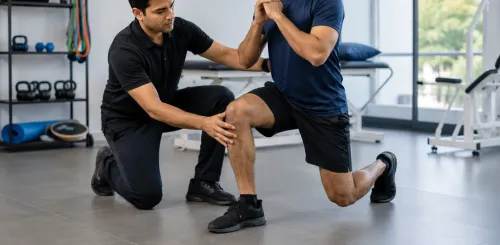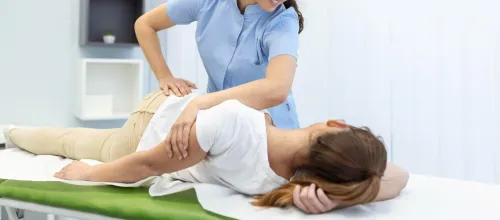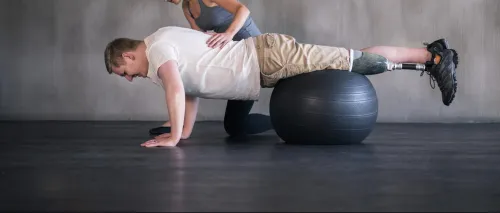
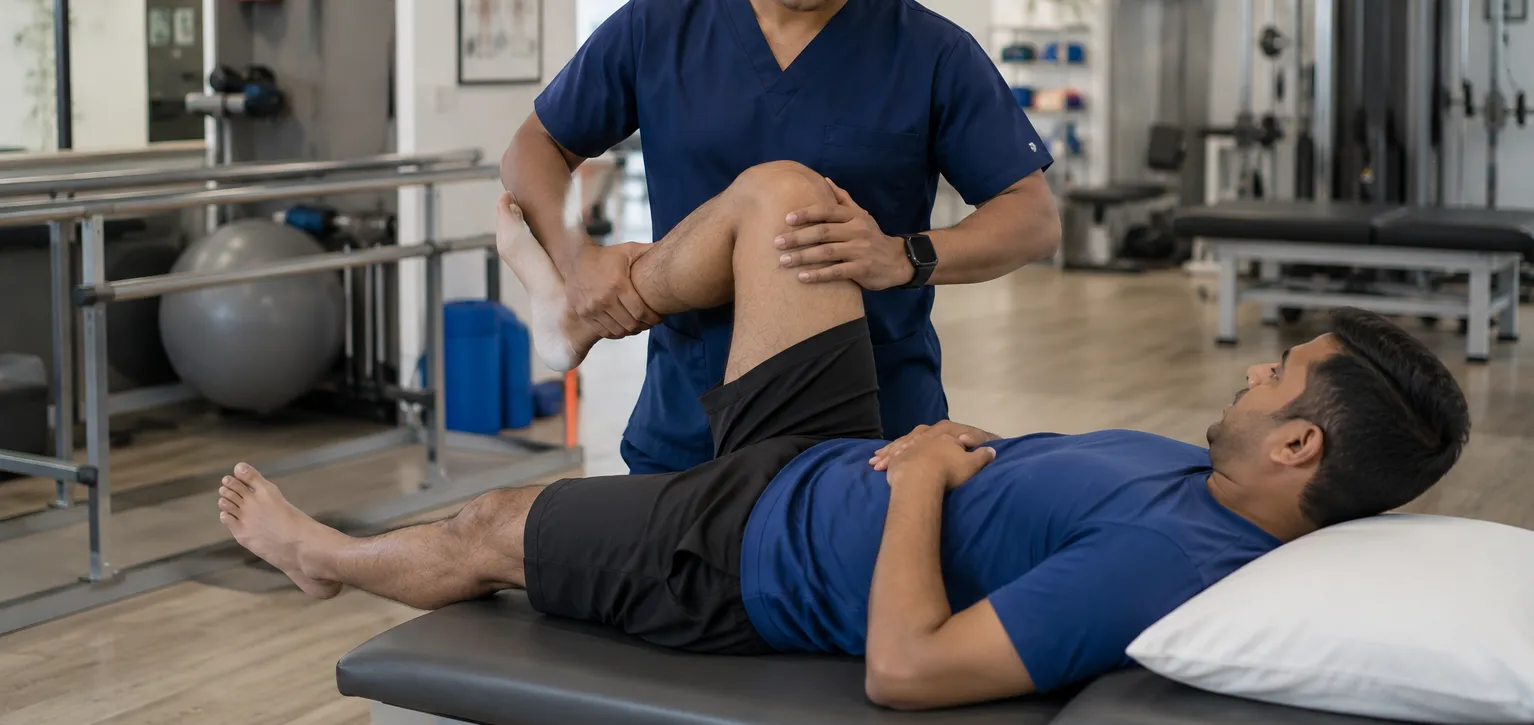
Orthopaedic surgery can address a structural problem, but rebuilding movement and physical function often requires a separate rehabilitation process. Pre- and post-surgical recovery physiotherapy can help patients prepare for the physical demands surrounding surgery and progressively regain function afterwards.
The exact programme depends on the procedure, medical instructions, individual health factors, and the patient's functional goals.
What Can Physiotherapy Before Surgery Involve?
When medically appropriate, physiotherapy before an operation may help a patient understand exercises and movements that could become relevant during recovery.
Assessment may also establish a baseline for strength, mobility, walking ability, and everyday function.
Depending on the planned procedure, pre-operative rehabilitation can include appropriate strengthening, mobility exercises, movement education, and preparation for post-operative activities.
It also gives patients an opportunity to understand what rehabilitation may involve after surgery.
What Changes After Surgery?
Post-operative rehabilitation needs to respect the procedure performed and the surgeon's guidance.
Early priorities may include restoring appropriate movement, managing functional limitations, activating muscles, and gradually improving mobility.
As recovery develops, rehabilitation can progress towards strength, balance, walking, and more demanding everyday activities.
The pace varies considerably between individuals and procedures.
This is why copying another patient's recovery schedule is rarely useful.
What Should Patients Prepare For?
Before beginning rehabilitation, it can help to gather relevant medical information, including surgical instructions and any precautions provided by the treating surgeon.
Patients should also think about practical goals.
These might include:
- Walking independently
- Using stairs
- Returning to work
- Driving when medically cleared
- Managing household activities
- Returning to gym exercise
- Resuming recreational sport
Clear goals help physiotherapy remain connected to real-life recovery.
Why Strength Needs Attention
Reduced activity before and after surgery can affect muscle strength.
After certain orthopaedic procedures, weakness around the affected area can make everyday movement more difficult even as healing progresses.
Progressive exercise helps rebuild physical capacity at an appropriate stage.
The programme should become more challenging as the patient improves rather than remaining limited to basic exercises throughout the entire recovery period.
Walking and Movement Patterns May Need Retraining
After lower-limb surgery, patients can sometimes develop compensatory movement patterns.
They may take shorter steps, avoid loading one side, or rely heavily on support.
These adaptations can be understandable early in recovery but may need reassessment as physical ability improves.
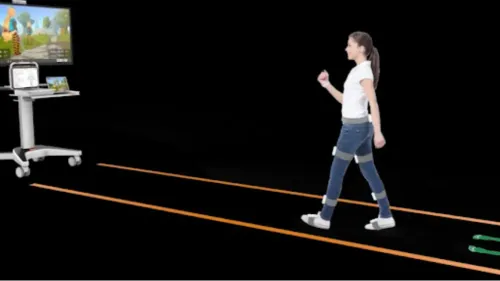
Gait training and movement analysis can help determine whether walking mechanics require additional attention.
Choosing Rehabilitation Support
Patients seeking surgical rehabilitation in Pune should consider whether the physiotherapy programme provides individual assessment, progressive exercise, functional retraining, and communication around medical precautions.
Curador Physiotherapy and Sports Rehabilitation Centre supports orthopaedic and movement rehabilitation with programmes developed according to individual functional requirements and stages of recovery.
Patients should expect rehabilitation to evolve.
Early exercises may look very different from those performed several weeks later because the physical goals change as healing and function progress.
Pre- and post-surgical recovery physiotherapy is ultimately about preparing for each stage appropriately. Before surgery, that may mean understanding the rehabilitation process and maintaining suitable physical capacity. Afterwards, the focus gradually shifts towards restoring movement, rebuilding strength, improving independence, and returning to meaningful everyday activities.
A structured progression makes those stages easier to understand and gives both the patient and physiotherapist clearer functional goals to work towards.
Keywords