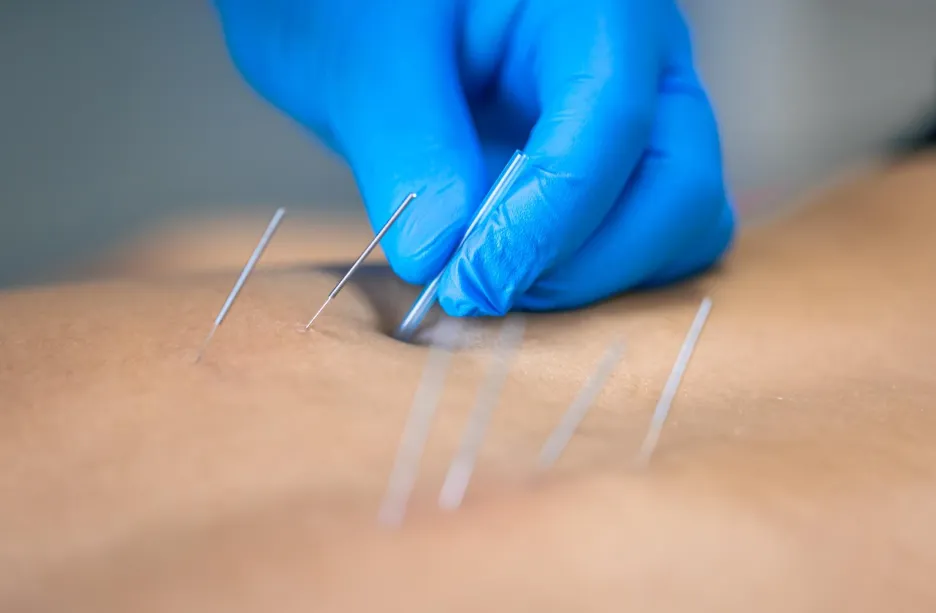
People exploring physiotherapy for muscular discomfort often come across Dry Needling and wonder whether it should be part of their treatment. Dry needling is a technique used by appropriately trained practitioners in selected clinical situations, but it should not be viewed as a universal treatment for every pain condition.
The decision to use it should follow assessment and form part of an appropriate rehabilitation strategy.
What Happens Before Dry Needling?
Treatment should begin with understanding the patient's problem.
A physiotherapist may assess symptoms, movement, muscle function, joint mobility, activity limitations, medical history, and functional goals.
This matters because similar symptoms can arise for different reasons.
If dry needling is considered clinically appropriate, the practitioner should explain why it is being recommended and how it fits into the wider treatment plan.
What Should Patients Ask?
Before undergoing the technique, useful questions include:
- Why is dry needling being recommended?
- What is the intended treatment goal?
- Are there reasons it may not be suitable for me?
- What should I expect during and after treatment?
- What exercises will accompany the treatment?
- How will progress be assessed?
Clear answers help patients understand that a technique is being selected for a reason rather than simply because it is available.
Dry Needling Should Not Replace Rehabilitation
One of the most important considerations is what happens outside the treatment session.
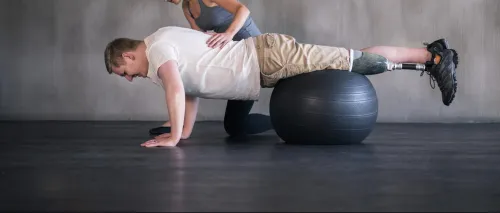
If someone has recurring shoulder discomfort related to reduced strength or limited movement, addressing those physical factors may still require exercise.
Similarly, an athlete dealing with a muscular problem may need progressive loading before returning to training.
A passive intervention cannot by itself rebuild strength, endurance, balance, or sport-specific capacity.
This is why dry needling, when appropriate, is generally better considered as one possible component within broader physiotherapy management.
Who Needs Additional Consideration?
Not every patient is automatically suitable for every physiotherapy technique.
Medical history, current health status, medications, pregnancy, needle sensitivity, skin conditions, and other clinical factors may influence treatment decisions.
Patients should provide relevant health information before treatment.
The physiotherapist can then determine whether the technique is appropriate or whether another approach is preferable.
What Indicates a Well-Structured Programme?
The programme should have a clear rehabilitation direction beyond individual procedures.
Patients should know what physical limitation is being addressed and what they need to do between appointments.
For people seeking physiotherapy in Pune, Curador Physiotherapy and Sports Rehabilitation Centre can assess musculoskeletal and movement-related problems before determining which treatment components are suitable.
Dry needling should therefore be considered within context.
The presence of a particular technique does not determine the quality of physiotherapy. What matters more is whether treatment follows assessment, whether the intervention has a clear purpose, and whether the patient is progressively developing the physical capacity needed for everyday activity.
A good rehabilitation plan should remain focused on function, movement, and measurable progress rather than becoming dependent on any single technique.
Keywords