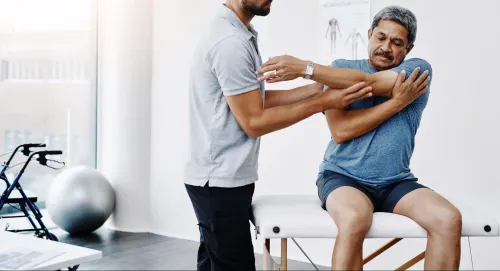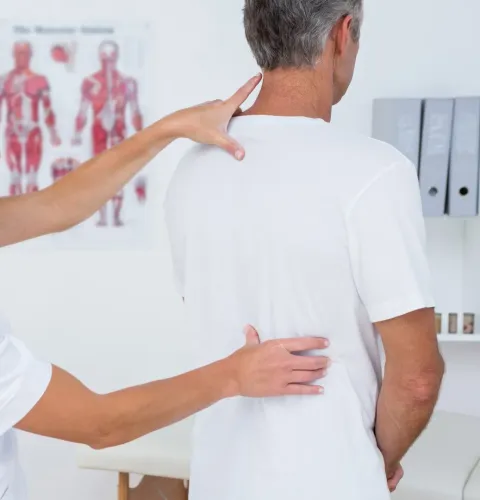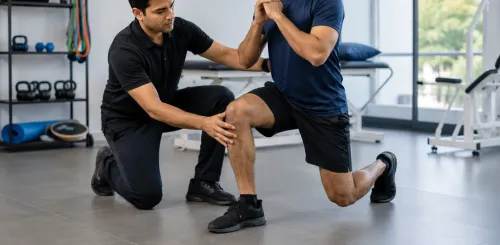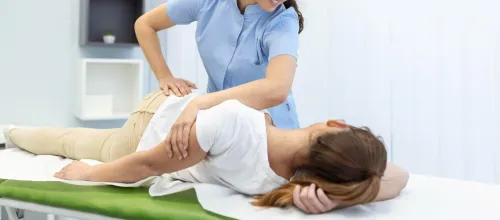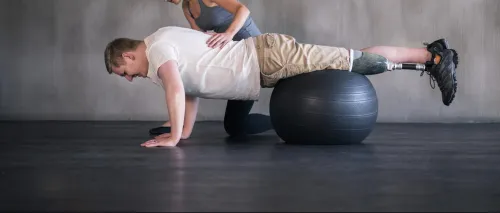
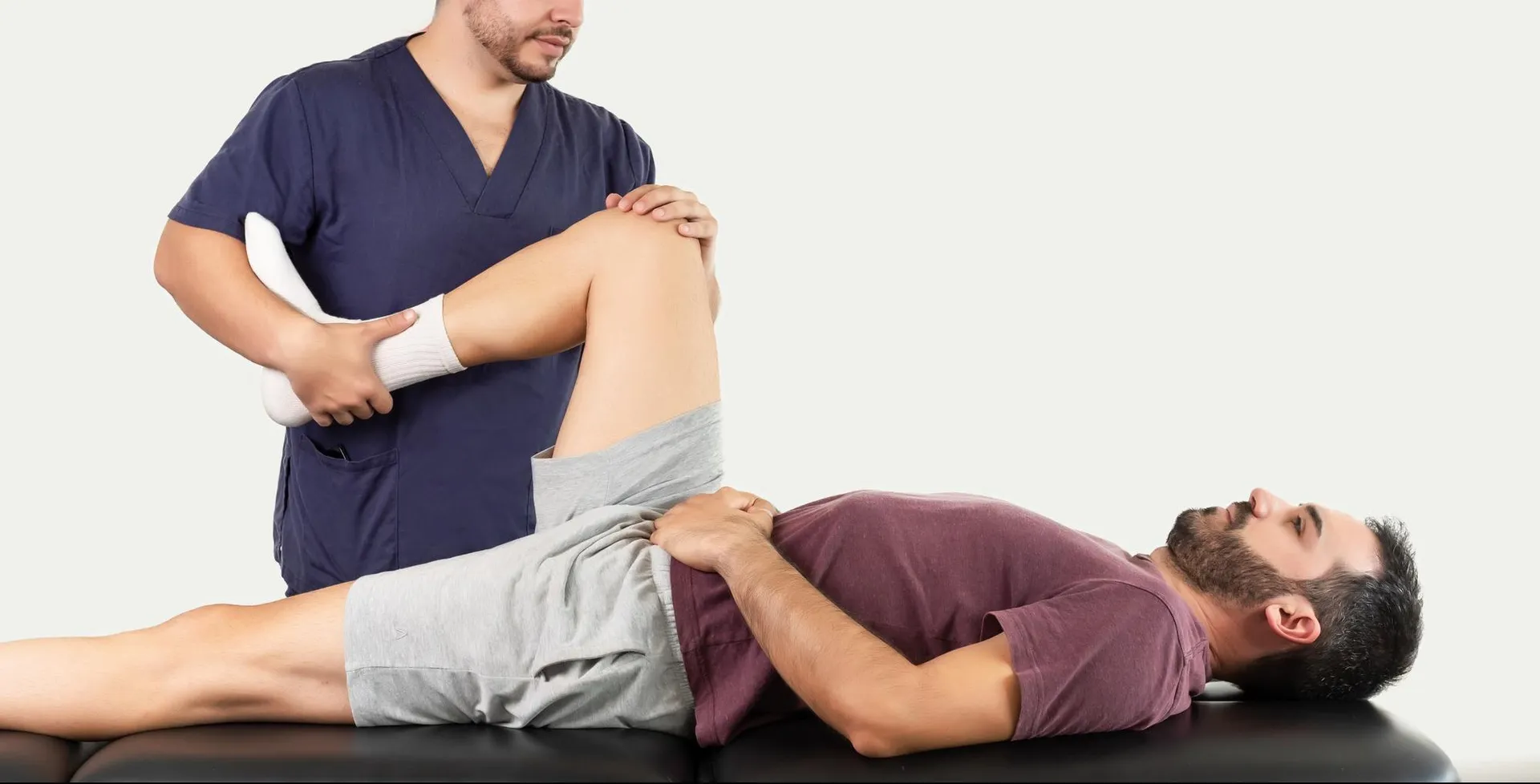
A sports injury affects more than the painful area. It can change strength, balance, movement confidence, training capacity, and the way an athlete performs sport-specific movements. This is why sports physiotherapy generally extends beyond reducing immediate discomfort.
The broader goal is to help an injured person regain the physical qualities needed for safe participation in training and sport.
This applies not only to professional athletes. Runners, cyclists, gym enthusiasts, football players, badminton players, weekend athletes, and people participating in recreational sports can all experience injuries that require structured rehabilitation.
Sports Injuries Need Activity-Specific Assessment
The physical demands of different sports vary considerably.
Running repeatedly loads the lower limbs. Racquet sports involve rapid changes of direction and rotational movements. Strength training requires controlled force production under resistance.
An assessment therefore needs to consider both the injury and the activity the person intends to resume.
Common areas evaluated during sports rehabilitation may include:
- Joint mobility
- Muscle strength
- Flexibility
- Balance
- Landing control
- Movement coordination
- Running mechanics
- Agility
- Sport-specific movement tolerance
This provides more useful information than relying on pain levels alone.
Feeling Better Does Not Always Mean Being Ready
One common mistake after a sports injury is returning to full activity as soon as pain decreases.
Pain reduction is encouraging, but the injured area may still lack strength, mobility, endurance, or control.
For example, an athlete recovering from an ankle injury might walk comfortably but still struggle with single-leg balance or quick changes of direction. A runner recovering from knee discomfort may feel comfortable during everyday activities but experience symptoms when mileage increases.
Sports rehabilitation helps bridge this gap between basic recovery and actual performance demands.
Rehabilitation Usually Progresses in Stages
The exact programme varies according to the injury, but rehabilitation often develops progressively.
Early management may focus on controlling symptoms and restoring comfortable movement. The next phase can introduce strength, mobility, and stability exercises.
As physical capacity improves, rehabilitation becomes more demanding.
Running drills, jumping, landing, acceleration, deceleration, directional changes, and sport-specific exercises may eventually become appropriate depending on the individual's requirements.
The progression should reflect actual readiness rather than a fixed timetable alone.
Movement Quality Matters During Recovery
An injury can sometimes change how a person moves.
Someone recovering from knee pain may unconsciously shift weight towards the opposite leg. An athlete with ankle stiffness may alter running or landing mechanics.
These compensations can become important during rehabilitation.
Movement assessment helps physiotherapists identify whether a person is avoiding certain positions or relying excessively on another part of the body.
In Pune's active fitness and sporting community, this approach can be useful for individuals who want to return not merely to exercise, but to their previous level of activity with appropriate preparation.
Building Capacity for the Next Stage
Effective sports physiotherapy is ultimately about capacity.
The body needs enough strength, mobility, coordination, and tolerance to handle the forces associated with a particular activity.
At Curador Physiotherapy and Sports Rehabilitation Centre, sports rehabilitation can incorporate assessment, progressive exercise, movement analysis, and functional training according to the individual's injury and activity requirements.
Recovery should therefore be viewed as more than waiting for pain to disappear. The important question is whether the body has regained enough physical capacity for what comes next.
That distinction can make sports physiotherapy particularly valuable for athletes and active individuals planning a structured return to training.
Keywords